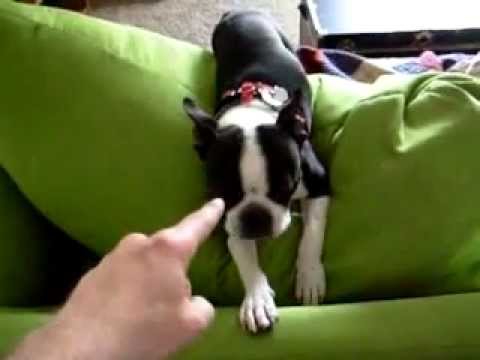
Are you new to dog training? If so, then you’re likely searching for advice on the best methods of training your dog. Here are some great tips to start you out on the right foot.
Canine training requires generous rewards that are given correctly. It is important that you provide the right amount of treats at the correct times. A dog quickly forgets his actions, so you must reward him immediately to reinforce his behaviors.
Before you begin training your dog, you need to establish yourself as the alpha. You must establish your dominance first and foremost, or your dog is unlikely to obey. On walks with your dog, you should lead him and not the other way around.
Whenever your dog improves in his training, allow him some extra freedom. The key to a satisfying life for your dog is a balance of freedom and obedience. Don’t give too much at any one time, of course, or it could take your training back a step.
Always be ready with dog treats. They need to know that the behavior they have done is exactly what you wanted them to do. This can establish right from wrong quickly and efficiently.
Disciplined leash walking is very important in canine training. The safety of both of you while out walking is paramount, and the proper training will ensure this.
Training Sessions
Be cognitive of the duration of time you and your dog devote to training sessions. Dog attention spans only go so far, so make sure not to go on too long. Early on, your training sessions should be limited to less than 10 minutes.
Avoid accidents if you want to housebreak your dog. Pay attention for signs that your dog needs to go outside. They may pace, sniff, whine or walk in circles. Don’t hesitate to take your dog out whenever you notice your dog behaving in one of these ways. Get out the leash and head for their designated potty area. Whenever your dog uses the restroom outside, reward him or her with lots of praise. Soon, your dog will signal you when he needs to go outside.
Does your dog have a problem with biting furniture or even other people? If so, then spray them with a mist of water. This lets your dog know that specific actions are not acceptable. Eventually, these behaviors will end and your dog will be well-behaved and play in the right manner.
Never give up when training a dog. Your dog will need constant reinforcement, otherwise the behaviors and actions you have taught it may be lost. You always need to keep training your dog, just like you need to continue feeding it and providing it shelter.
If your dog is accompanying you on a trip, be sure to bring along whatever your dog needs for sleeping, eating and eliminating. Bring food and water bowls, waste baggies and treats for a good trip. Do not worry about taking a bag of their dog food with you; it is much easier to pick some up when you get to your destination.
Call your dog’s name at least three times positively after you have been forced to issue a reprimand. The animal should not associate his name with something negative as this may lead him to experience fear or anxiety when he hears it.
Training is not a time for you to punish your dog. Do everything you can to cut off misbehavior before it happens, and if your dog does misbehave during training, you should show what what behavior you want to see, not punish your pet. Training your dog is a great way to develop a positive relationship with him.
Offer only your dog’s most favored treats when rewarding exceptionally good behavior, or when he accomplishes particularly difficult feats. Even if the treat is not something you would normally give them, it’s OK to use as a reward during training.
Triggers that tend to instigate inappropriate behavior in your dog can be diverted by redirecting his attention. If your dog is antisocial around other dogs, distract him with something interesting if you get near other neighborhood dogs. This should help him establish a relationship between seeing that stimuli and good things happening.
In conclusion, training your dog can be helpful to get them to behave and perhaps learn some new things. You do not have to pay for long and expensive training classes. Don’t put it off. Get started today to develop a well-behaved, happy pet.