punishing tone
Train Your Dog The Smart Way With These Handy Tips
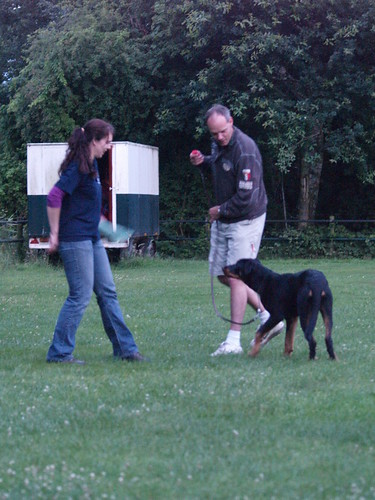
Few things are more irresistible than the melting eyes of a sweet little puppy. If you already own one or are contemplating getting one, good for you! Training has to begin early and be completed often. Your dog will know how to behave; you will feel confident that he will behave himself properly. Read the guide below in order to get helpful tips on how to have a good pet/owner relationship.
To achieve the best results when housebreaking a pet, be aware of the food and water he consumes. To ensure that your dog’s bowel movements remain regular, feed him or her some high-quality food a minimum of twice per day during the same times daily. This will help you figure out when the best time is to take your dog out and avoid accidents.
Punishing Tone
In training your dog, use the same volume and tone of voice when you state a command. The tone should be firm, so your dog understands that you are issuing a command, not a suggestion. It also helps them understand the differences between a sharp punishing tone and a sharp non-punishing tone.
Approach any unfamiliar dog with care. Walk slowly toward him and allow the dog to sniff your hand before trying to pet the dog. This lets them warm up to the scent and they’ll most likely trust you. After the dog becomes familiar with your smell, he’ll start to trust you and listen to you.
When your dog jumps on you, take its paws in your hands and lightly squeeze them to let it know that jumping on people is not an acceptable behavior. While this will not seriously hurt the animal, it is certainly unpleasant and therefore makes a powerful statement. Soon your dog will believe that this will happen every time he jumps up and will stop jumping up.
Your dog must learn that there is no need for it to respond to your utterance of the word ‘no.’ Instead, use positive reinforcement to encourage positive behaviors and gloss past the results that are not what you want. The word ‘no’ itself is not enough to make your dog understand they need to stop what they are doing. Tailor puppy training to suit the dog and the situation.
When house training your new puppy, accidents are likely to happen from time to time. When accident do happen, clean them up rapidly and thoroughly. Carpets are known to trap the smell of urine and encourage the dog to return to that spot for further marking. There are many products on the market that can help with this, so check with your local pet shop.
It is vital that the dog’s leash remain loose when you are trying to train it to walk on a leash. Dogs like to sniff far and wide when going for a walk, and a too-tight leash will cause them strain. Their enthusiasm will lead to a large amount of strain being applied to their leash. Teach your dog to relax and let them get used to walking along on a slack leash.
Work on recall with your dog. Teaching your dog to come when called in any situation is an important skill for him to learn. Always reinforce this behavior and introduce it in all kinds of new environments. Recall is hard, but it can also be life-saving.
Regular challenges will keep your dog from losing his chops. Give him “quizzes” to make sure he still knows his stuff, even if you both know he does.
Stay consistent when training your dog. One way to ensure everyone in your household uses the same commands is to create an easily accessible list of the commands used to train your dog. Anyone needing to handle your dog should follow the same program, using reward for good behavior and taking care to never reward bad behavior. By having different responses from different people will most likely confuse the dog, which may make the training more problematic.
It is hoped you have discovered a few tips to improve your relationship with your pet. Use the information for your specific circumstances. You love your dog and want the best for all involved. You can realize success with your dog by taking on the task of training him. Make sure your pet is well trained. Congratulations on your new furry friend.