dog needs
Calm Your Pooch, And Calm Your Household
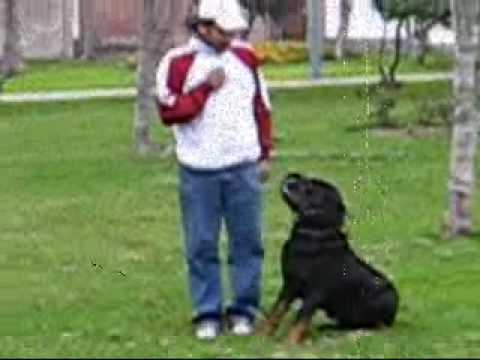
Training a dog is crucial for having an obedient friend. The training your dog process is fraught with highs and lows, and if you have good information, you will be far less stressed along the way. You should read this article and keep these hints and tips in mind.
When crate training your new puppy or dog, there are a few tricks you can apply. If your puppy seems reluctant about entering the crate, place a chew toy inside and close the door to the kennel. Your dog will get excited at the prospect of the treat and soon be eager to enter the crate. If they do go into the crate, offer up praise and a treat.
Timing is critical during puppy training; you need to take the time training, but don’t overdo it. Begin with a short session training and increase the time daily. See where your dog starts not paying attention to the training session.
Choose a crate that fits your dog properly and use it to crate train them. Remember, puppies grow up. You must be able to accommodate the growth your puppy will experience as he ages. A larger crate allows for continued comfort and happiness. The ideal size would be one that doesn’t make your dog crowded when turning around or laying down.
Right at the moment they do the behavior you are trying to reinforce, give the verbal command of approval. Certain words like “yes” are great for bridging the time between obeying an order and receiving the reward.
Shock Collars
Don’t use things like shock collars. They might not work like they say they do and they cost too much. Plus, shock collars are not positive reinforcement when your dog is exhibiting proper behavior. Generally, techniques such as these actually produce negative results.
When giving a command to your dog, you should always use the exact same kind of voice and the same volume. Your voice tone lets your dog know that you are serious and that you expect their obedience. Your dog needs to understand that there is a difference between the tone you use to discipline your dog from the tone you use to give an order.
Maintain brief training sessions. Since dogs do not have a long attention span, making sure training sessions are kept short ensures that your dog will not dread them. If you do have long training sessions, break it up so your dog can rest a little bit.
When you toilet train your dog, avoid accidents! Watch for signals that your dog has to go out to relieve himself. He could be snuffing, pacing or even whining. Don’t delay if you see your dog needs to go out. Quickly leash your pet and lead him to an area where he can relieve himself. Give him praise for his behavior. Soon, he’ll get the picture that he can ask to go outside.
A spray bottle filled with water is a great deterrent when your dog is misbehaving. This helps show him that you will not tolerate certain behaviors. Your dog will instead focus on good behaviors with more positive outcomes.
Keep your training sessions short so your dog retains what they have learned. Training for more than fifteen minutes at a time could leave both you and your dog tired and frustrated. After training make sure to play with your pet and show him a lot of praise.
Your dog needs to learn what ‘down’ means. This is a command that is great as a foundation for other commands, and can also be used alone in emergencies. By teaching your dog the command “down,” you can ensure his safety in the event of an emergency.
Dogs will be dogs, so give your dog outlets to work out his canine behaviors. Dogs need to eat well and have a good place to exercise and keep busy.
Using a variety of goodies for reward purposes while training is sometimes the best method. Rewarding your dog with special treats during training will encourage him to obey the commands you give him. He will begin to look forward to your training sessions.
When you are adding a pet to your family, make sure that it is introduced slowly to existing pets. Before you even consider adopting a new pet, think about the one you have at home. For optimal bonding, select a new pet whose personality is similar to that of your current pet.
Sometimes dogs bark for nothing more than boredom. If you have a dog that barks when bored, you are responsible. Boredom barking means that your dog is not getting the amount of attention that they need to keep happy. Because of this, make sure you set aside playtime for your dog and regularly walk him or her. When you are busy, give him chew toys.
When looking at dog trainers, do a lot of research. Check user reviews on the Internet and learn their training methods. Talk to your behavior specialist and make sure that you are on the same page with the ideas and techniques that you would like to see implicated for your pet.
It is essential that you your dog listens to you. The article you’ve just read has provided some excellent advice to utilize when training your dog. Dog training requires time and patience, and you should not give up just because your puppy did not obey you when you gave him a command the first time. Dogs learn by repetition and consistency, and the more you know, the better equipped you are to train your dog properly.