obedient dog
Training Tips To Help Your Dog Achieve His Best
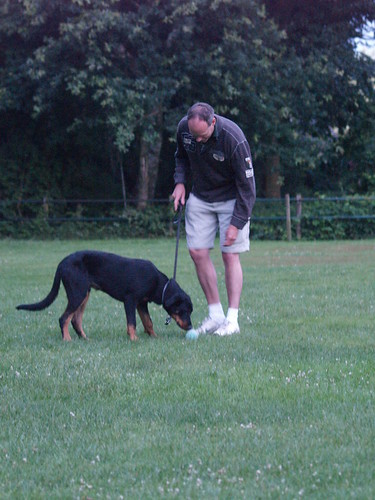
People choose to keep dogs for many different reasons. It may just have been those puppy dog eyes. It should go without saying that an obedient dog is the ideal dog. In order to accomplish this, you must train your dog. The tips provided in this article will help you fashion a program that creates a harmonious environment for you and your dog.
Your dog may not learn a command right away. It isn’t uncommon for 25-50 repetitions of this same command to be used for the dog to understand it. Being patient while trying the same task or command will allow your dog to understand it.
Take caution when near an unfamiliar dog and offer them a chance to sniff your hands. As you do this, you give the dog an opportunity to acclimate to your scent and become used to your presence. After the dog knows your scent, he is unlikely to fear you and may be more willing to heed your command.
Be patient when training a dog. Patience prevents both of you from becoming frustrated and angry during the training process. Understand that the proper training will come with time, so cut your dog some slack and let them learn.
“Leave it” is an important command to teach, starting when you bring your dog home. You can use this command for a number of purposes. For example, it is used to prevent the dog from chewing on something or even to guide them out of harm’s way.
In order to prevent your dog from jumping on you, grab its paws anytime he jumps on you and gently squeeze them to inform them that this isn’t acceptable behavior. The dog will not experience pain, but just a brief discomfort. If you do this, they will not jump up on your or visitors any longer because they will think about you squeezing their paws.
Keep tabs on the number of treats you give to your dog as a reward in order to avoid making him gain weight. Treats don’t spring to mind when thinking about a pet’s diet, but they have an impact – one that is magnified during the reward-heavy training process.
A spray bottle filled with water can be an invaluable training tool when your dog engages in bad behavior like barking, biting or chewing. A quick spritz instantly deters your dog from the undesirable behavior. Before you know it, your dog will cease the biting behavior and just be playful.
Never give up when training a dog. While it may be frustrating at times, if you don’t persevere and constantly reinforce the teachings to the dog, your efforts will be wasted. Keep in mind that training your dog is an on-going process, and just as important as providing him with food and shelter.
In the beginning, give your dog a food treat each time it successfully obeys a command. Once they understand the process, start using treats more selectively until they are relatively rare.
Agility Training
If you want your dog to be more agile, make sure you have chosen a breed suited for it. Some of the better dogs for agility training include Shetland sheepdogs, Labrador retrievers, border collies, and Australian shepherds; however, most breeds are able to participate in agility training successfully.
When you are house training a dog, you may want to use a crate. Let your dog roam free each day, though, or crate training could have adverse effects. Soon you’ll find that your crate-trained dog will have learned to avoid inside accidents.
When you begin training your dog consider using more than one type of treat as a reward. Do not use the treats that you would give your dog day to day. They should be specific to training and ensuring the feeling of being rewarded for something specific. The dog will also be more likely to obey if they know they will receive something special.
Remember that you are in charge when you are walking your dog. You should always be leading the way, not vice-versa. Use a short leash and keep your dog close to your side, pulling it back when it begins to lead and telling it to heel. Remember, you’re the leader!
If you want your dog to get in a sitting position, have them stand while you hold a treat above their head. Move the treat behind their head and down their back. Your dog will look up as your hand passes behind his head. He’ll sit as a result.
While you can definitely teach an old dog any new tricks, keep in mind conditions or medical issues which can limit his capability to behave in certain ways. For instance, it may be impractical to ask your dog to crawl for long distances if he has arthritis. Even older dogs can benefit from some good old training. But do not overdo it and make them work to hard!
Are you finally ready to continue training your dog? Take these ideas and begin employing them in your training sessions. Remember, an obedient dog is the goal. Reaching that goal takes time! Training your dog to be well behaved will help you to feel good about your dog as they grow older. Always be on the lookout for opportunities to put these great tips into action.